
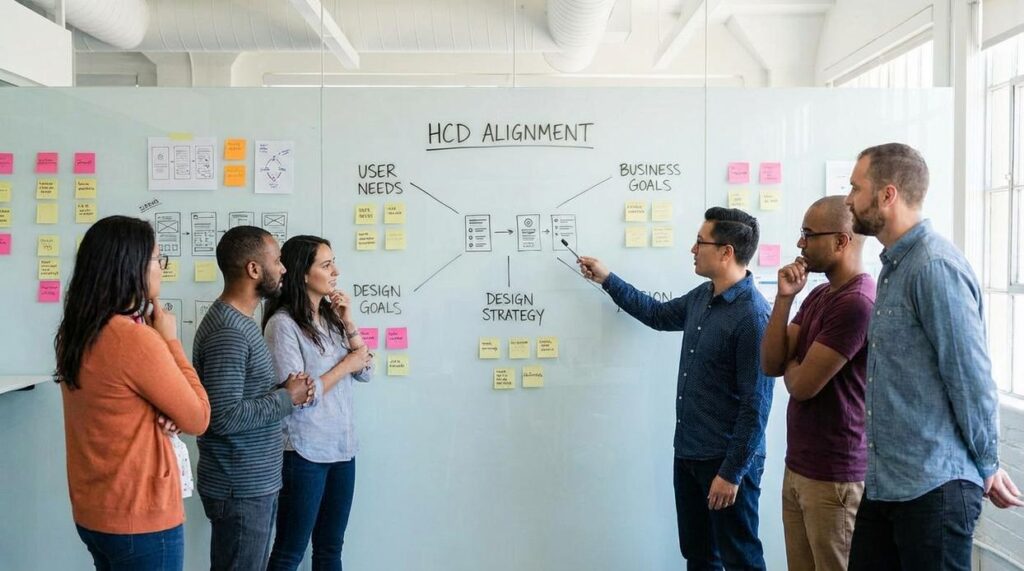
If you’re here, you’re looking for a competitive edge—whether that’s refining your mechanics, optimizing your setup, or mastering the meta at a deeper level. This article is built to deliver exactly that. We break down the fundamentals that actually win games, analyze evolving team compositions, and highlight the strategic adjustments that separate average players from consistent top performers.
You’ll find clear explanations, practical examples, and pro-level optimization tips designed to improve real in-game decision-making—not just theory. From understanding shifting metas to effectively countering HCD team builds, every section is focused on actionable insights you can apply immediately.
Our analysis draws from high-level match breakdowns, performance data, and tested competitive strategies to ensure accuracy and relevance. Whether you’re climbing ranked, preparing for tournaments, or refining your team coordination, this guide is structured to help you adapt faster, play smarter, and stay ahead of the competition.
From Silos to Synergy: A Blueprint for Truly Collaborative Design
As players adapt to countering popular team builds in HCD competitive arenas, understanding the strategic nuances introduced by AI-driven mechanics, as discussed in our article on “The Rise of AI in Modern Video Games: What Players Should Know,” becomes crucial for gaining a competitive edge.
Brilliant designers don’t fail from lack of talent; they fail from isolation. Siloed workflows create fractured user journeys (like a squad ignoring objectives). Collaboration isn’t more meetings; it’s ownership.
To build synergy, reject the myth of the lone design genius. Instead, embed:
• Cross-functional critiques early and often
• Transparent decision logs
• Rotating facilitation to balance power
This matters because alignment beats individual brilliance every time. Teams practicing countering HCD team builds learn faster and ship tighter experiences. Great products are team sports. Process discipline fuels creativity, not the other way around. Pro tip: document assumptions.
Building the Foundation: Creating a Shared HCD Language
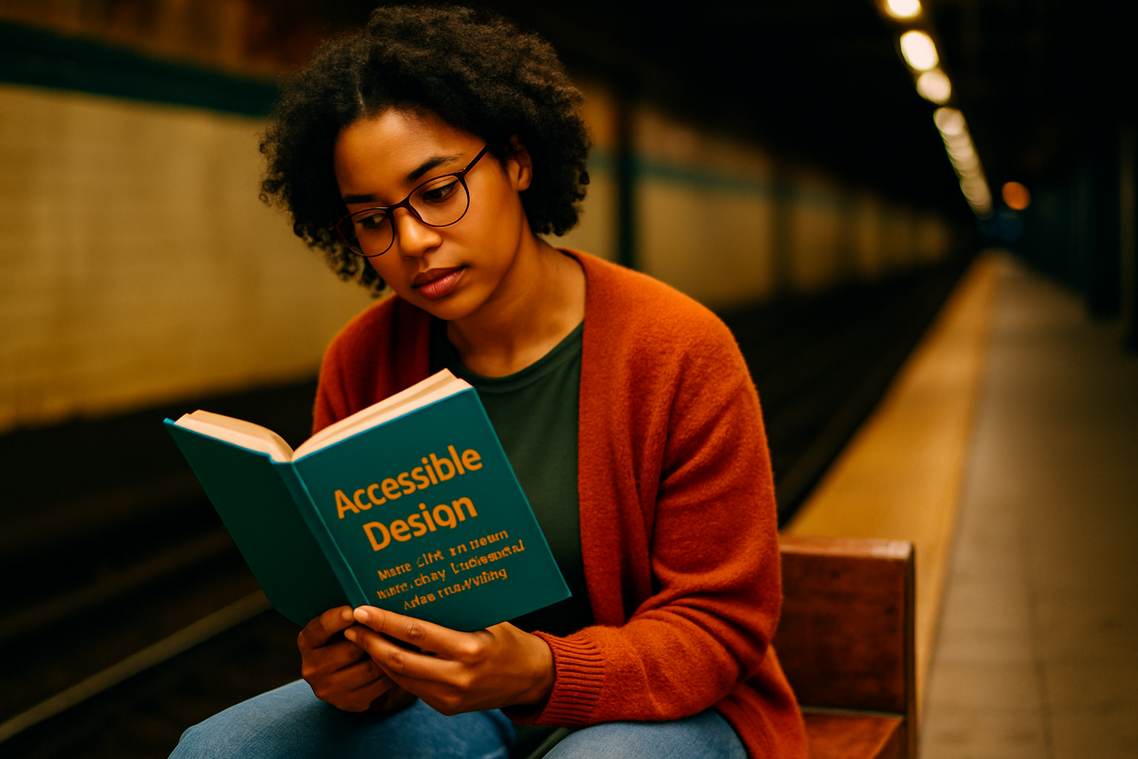
A team without a shared Human-Centered Design (HCD) language is like a squad loading into a ranked match without comms. Everyone might be talented, but without alignment, plays fall apart. HCD—Human-Centered Design—means designing around real user needs, behaviors, and contexts. However, if your team can’t agree on what “good” looks like, collaboration turns into chaos.
Some argue creativity shouldn’t be boxed in by shared rules. After all, isn’t design about freedom? To a point, yes. But even the most creative esports roster runs structured strategies. Freedom works best inside a framework.
Actionable Tactic 1: The Design Principles Workshop
Think of design principles as your team’s constitution. Facilitate a session where everyone defines 4–6 guiding standards—such as “Clarity over cleverness” (prioritize usability over flashy design) or “Respect the user’s context” (consider where and how users engage). Write them together. Debate them. Commit to them. When conflicts arise later—and they will—you now have a referee.
Actionable Tactic 2: Unified Persona Development
A persona is a research-based profile representing your ideal user. Instead of a dusty PDF, treat personas like evolving player stats. Host collaborative workshops to refine motivations, pain points, and behaviors. This shared empathy prevents fragmented solutions (and design silos).
Actionable Tactic 3: Collaborative Journey Mapping
Finally, map the full user journey—every touchpoint from discovery to retention—on a digital whiteboard. It’s like reviewing match replays: gaps become obvious. Misaligned assumptions surface. And importantly, it helps when countering HCD team builds by clarifying user pain points and strategic opportunities.
In the end, alignment isn’t restrictive—it’s empowering. Like a coordinated team push, shared language turns individual skill into collective impact.
The Collaborative Workflow: Rituals and Tools That Unify
Moving from theory to practice is where most teams stall. Everyone agrees collaboration matters. Few build rituals that make it automatic. The benefit of structured collaboration isn’t just better vibes—it’s faster decisions, fewer revisions, and stronger in-game execution (which, in esports terms, is the difference between theory-crafting and actually winning scrims).
Essential Rituals for High-Performing Teams
-
Pair Designing
Two designers, one screen. It sharpens thinking in real time, accelerates onboarding for junior members, and reduces handoff friction. Instead of “I’ll fix it later,” problems get solved live. The payoff? Cleaner outputs and shared ownership from day one. -
Design Swarms
For milestone moments, gather everyone for a focused sprint session. Short. Intense. Purpose-driven. The upside is immediate clarity—roadblocks get smashed collectively, not buried in Slack threads. Swarms are especially powerful when countering HCD team builds because multiple strategic perspectives surface weaknesses faster. -
Structured Design Critiques
Feedback needs guardrails. Frameworks like:
I like
I wish
What if
keep discussion centered on the work—not the ego. Teams that critique well iterate faster and build psychological safety. And safety fuels creativity (yes, even in hyper-competitive environments).
Technology as the Enabler
-
The Single Source of Truth
Tools like Figma or shared design systems eliminate version chaos. One living system means consistency across assets and fewer “finalv7REAL” files. The benefit? Speed and reliability under pressure. -
The Infinite Canvas
Digital whiteboards such as Miro or FigJam create persistent thinking spaces. Remote or hybrid teams gain alignment without endless meetings. Brainstorms become visible, searchable strategy assets.
If you’re already exploring role flexibility and adaptation in the evolving hcd meta, structured collaboration multiplies those insights into coordinated execution. Rituals create rhythm. Tools remove friction. Together, they turn scattered talent into a unified competitive force.
The best tools and processes collapse without trust. Collaboration, especially in design, depends on psychological safety. Psychological safety means the shared belief that you will not be punished or humiliated for speaking up with ideas, questions, concerns, or mistakes. In a design context, that translates to critiquing the work without fearing personal attack.
However, building that culture is harder than it sounds. Some leaders worry that too much candor slows delivery or sparks conflict. I am not entirely certain where the perfect balance lies. Yet evidence suggests teams that feel safe outperform those that stay silent (Google’s Project Aristotle, 2015).
To foster safety, leaders must go first. Admitting mistakes and inviting dissent signals that disagreement is data, not disrespect. Pro tip: explicitly ask, “What am I missing?” in reviews. Meanwhile, separate the idea from the individual. Feedback should target the prototype, the flow, or the user problem, never the person.
Additionally, celebrate smart failures. A smart failure is a well-designed experiment that disproves a hypothesis and teaches the team something useful. Framing these moments as progress encourages thoughtful risk-taking. After all, even elite esports squads refine strategies by countering HCD team builds through trial and error.
Of course, psychological safety does not eliminate accountability. There is ongoing debate about how candid is too candid. Still, without safety, innovation stalls and meetings resemble a muted group chat in a dystopian sci-fi film. Ultimately, candor grounded in respect creates teams resilient enough to learn faster than they fail. That edge compounds over time.
Turning Shared Principles into Performance
Have you ever wondered why some teams click instantly while others stall despite stacked talent? First, unified design gives everyone the same playbook. Instead, of siloed decisions, rituals like structured critiques and sprint retros keep feedback flowing. Moreover, when trust is explicit, players challenge ideas without tilting.
Think about countering HCD team builds: strategy only works if everyone reads the map. Likewise, product teams win when research insights and visual systems align. So, what ritual will you test this week? Start small, measure impact, and iterate together. Consistency compounds faster than solo brilliance ever.
You came here to sharpen your edge, fix the mistakes holding you back, and finally understand what separates average squads from dominant ones. Now you’ve seen how optimized builds, smarter rotations, tighter mechanics, and better meta awareness all work together to create consistent wins.
The frustration of losing winnable matches, getting outdrafted, or feeling unprepared against stronger comps doesn’t have to continue. Mastering countering HCD team builds and adapting to evolving metas gives you control instead of leaving outcomes to chance.
The next step is simple: review your current setup, compare it against today’s top-performing strategies, and actively test one optimization at a time in scrims or ranked play. Track the results. Refine. Repeat.
If you’re serious about climbing faster and competing at a higher level, dive deeper into our advanced breakdowns and gear optimization guides. Players trust our analysis because it’s built around real performance data and high-level competitive insights.
Level Up Your Competitive Edge
Stop guessing. Start optimizing. Explore our latest strategy guides now and turn your biggest competitive weakness into your strongest advantage.
 There is a specific skill involved in explaining something clearly — one that is completely separate from actually knowing the subject. Donna Warrenildos has both. They has spent years working with insider knowledge in a hands-on capacity, and an equal amount of time figuring out how to translate that experience into writing that people with different backgrounds can actually absorb and use.
Donna tends to approach complex subjects — Insider Knowledge, Competitive Gaming Gear Reviews, Pro-Level Gaming Optimization Tips being good examples — by starting with what the reader already knows, then building outward from there rather than dropping them in the deep end. It sounds like a small thing. In practice it makes a significant difference in whether someone finishes the article or abandons it halfway through. They is also good at knowing when to stop — a surprisingly underrated skill. Some writers bury useful information under so many caveats and qualifications that the point disappears. Donna knows where the point is and gets there without too many detours.
The practical effect of all this is that people who read Donna's work tend to come away actually capable of doing something with it. Not just vaguely informed — actually capable. For a writer working in insider knowledge, that is probably the best possible outcome, and it's the standard Donna holds they's own work to.
There is a specific skill involved in explaining something clearly — one that is completely separate from actually knowing the subject. Donna Warrenildos has both. They has spent years working with insider knowledge in a hands-on capacity, and an equal amount of time figuring out how to translate that experience into writing that people with different backgrounds can actually absorb and use.
Donna tends to approach complex subjects — Insider Knowledge, Competitive Gaming Gear Reviews, Pro-Level Gaming Optimization Tips being good examples — by starting with what the reader already knows, then building outward from there rather than dropping them in the deep end. It sounds like a small thing. In practice it makes a significant difference in whether someone finishes the article or abandons it halfway through. They is also good at knowing when to stop — a surprisingly underrated skill. Some writers bury useful information under so many caveats and qualifications that the point disappears. Donna knows where the point is and gets there without too many detours.
The practical effect of all this is that people who read Donna's work tend to come away actually capable of doing something with it. Not just vaguely informed — actually capable. For a writer working in insider knowledge, that is probably the best possible outcome, and it's the standard Donna holds they's own work to.