You’ve just been eliminated by someone who seemed impossibly fast and smart, right? You wonder, “How do they do that?” Many of us grind for hours, hitting a plateau because we practice hard, not smart. There’s a difference.
I know because I’ve analyzed how pro gamers train. They use a structured system, not just endless playing. This isn’t just theory; it’s a blueprint based on top-tier esports athletes.
You’ll get a clear, actionable guide breaking down how professional gamers practice. Move beyond just “playing more” and learn the science behind their skill. Ready to level up?
Beyond the Grind: The Four Pillars of Pro Practice
Think being a pro is just about playing ranked matches? Let me shatter that illusion. Pro practice is a beast with four distinct pillars.
It’s more than just grinding out games. It’s a full-fledged system.
Mechanical Skill (The ‘How’) is pillar one. This is where pros get into the nitty-gritty of raw mechanics. Think aim trainers like KovaaK’s or Aim Lab for FPS games. In MOBAs, it’s all about combo drills and last-hitting practice. Ever wonder how they hit every shot or never miss a creep? It’s not about talent, it’s about constant practice.
Next is Game Intelligence (The ‘Why’). You can have the skills of a god, but without understanding the game, you’re toast. VOD reviews are a staple here.
Analyzing your own gameplay isn’t just helpful (it’s) important. And don’t skip watching top players. Their decision-making is a goldmine.
Why do they choose certain paths or heroes? Theory-crafting and patch notes become your new best friends.
Team Combo (The ‘Who’) is the third pillar. Scrims, or scrimmages, are where teams test their mettle against each other. Communication and strategies are perfected here.
Lastly, Performance Health (The Foundation) is often overlooked. But let me tell you, without physical and mental conditioning, you’re missing the boat. Ergonomics, nutrition, and mindset are silent game-changers.
Want to know more about what goes on behind scenes esports events? That’s where you see this training in action. When pro gamers train, they take this multi-faceted approach to dominate.
Why wouldn’t they?
A Week in the Life of a Pro Gamer: What Really Goes On
Ever wondered how pro gamers train for those high-stakes matches? Let me break down a typical practice week for you. It’s far from just playing games all day (a) lot more strategic.
Morning Block: Warm-up & Mechanics
We kick things off with a 60-90 minute routine. This isn’t just casual gaming; it’s focused work. At 10:00 AM, I spend 30 minutes on Aim Lab, honing my tracking and flicking skills.
Right after, I jump into a 30-minute in-game deathmatch. This transition isn’t random. It’s key for applying what I’ve just practiced.
By 11:00 AM, it’s time for 15 minutes of hand stretches and mental prep. You might think this part is skippable, but trust me, it’s necessary.
Afternoon Block: Team Practice & Scrims
Here’s where the team magic happens. From 12:00 PM to 3:00 PM, we’re deep in team scrims. Picture this: playing three best-of-three series against another top team.
Sounds intense, right? It is. We take short breaks in between to maintain focus.
Late Afternoon Block: Review & Individual Work
Post-scrim, at 3:30 PM, the whole team gathers for a VOD review with the coach. This isn’t just a critique session. We’re identifying key errors in rotations and communication.
Then, from 4:30 PM to 6:00 PM, it’s time for individual ranked play. I’m fixing specific mistakes pinpointed during the review. This cycle of practice and correction is where real improvement happens.
For more on how pro gamers train, dive into that. Trust me, it’s a game-changer.
Evening: Wind-down
Evenings aren’t for more grinding. They’re for rest and preventing burnout. Some pros choose personal activities or streaming, others might dive into light theory-crafting.
But heavy gaming? Rarely. Rest is as important as practice.
It keeps you sharp for the next round.
So, there you have it (a) week in the life of a pro gamer. Want to give it a shot?
The Pro Gamer’s Toolkit: Software and Strategies
When you watch pro gamers train, it’s not just about raw skill. It’s a blend of tech and tactics that sets them apart. Aim Trainers and Drill Maps, for instance, are their secret weapons.
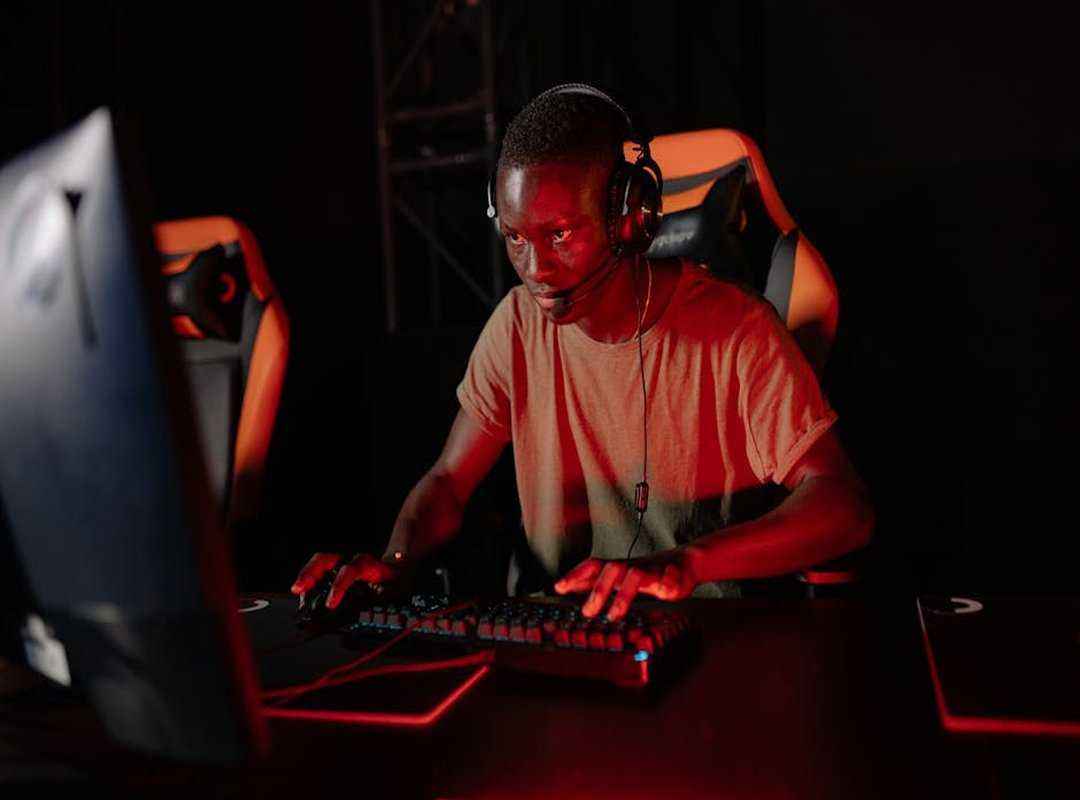
I mean, who wouldn’t want to perfect their flick shots in VALORANT or nail those tracking-heavy moments in Apex Legends? These tools offer massive targeted practice quickly, something impossible in a real match.
Now, let’s talk about VOD and Analytics Software. In-game replay viewers are fine, but pros demand more. Tools like Outplayed automatically record and clip key moments, so you never miss a key play.
And then there’s Leetify for CS:GO. It’s a beast for analyzing your game: utility usage, spray patterns, you name it. These takeaways let you fine-tune your gameplay without the guesswork.
But wait, communication is another beast. It’s not just about yelling into the mic on Discord. Structured comms mean concise, clear callouts.
When you’re in a high-pressure moment, you can’t waste time with chatter. You need laser-focused communication to keep your team aligned. This discipline is what often separates the seasoned players from the rookies.
And speaking of pro gaming, understanding the Economics Of Esports Inside Industry can give you a new perspective on how these tools fit into a larger picture. It’s fascinating to see the machinery behind the scenes, right?
So, if you’re serious about climbing the ranks, you need more than just practice. You need the right tools and strategies. That’s how pro gamers train, and that’s how you should too.
Mind and Body Mastery: Gaming’s Secret Weapon
When you think about how pro gamers train, the mind-body connection is often overlooked. But it’s key. to the athlete angle of esports. Mental conditioning is key.
Pros have specific techniques to manage tilt and performance anxiety. Ever heard of the growth mindset? It’s about seeing losses as learning opportunities, not failures.
That’s what separates the pros from the amateurs. Top teams even hire sports psychologists. It’s no wonder they’re dominating.
Physical maintenance? Equally important. Good posture and ergonomics directly link to focus and endurance.
I can’t stress enough how a well-aligned body helps. Try hand and wrist stretches to keep repetitive strain injury (RSI) at bay. They’re simple but effective.
And let’s not forget about sleep and hydration. They impact reaction time and decision-making more than you’d think.
Now, let’s talk burnout. It’s real and it sucks. But breaks aren’t a sign of weakness.
They’re strategic. Schedule time off for other hobbies. It gives your brain time to consolidate learning.
Trust me, it prevents mental fatigue. You don’t want to hit a slump right before a big event.
Esports isn’t just about reflexes. It’s about training your mind and body for peak performance. So next time you see a pro, remember the discipline that goes into their game.
It’s not just fun and games. It’s training, mindset, and smart recovery. That’s the real game-changer.
Level Up Your Practice
You’ve hit that frustrating wall. Mindless grinding isn’t cutting it anymore. I get it.
So what’s the fix? A structured routine, just like the pros. You know how pro gamers train?
It’s not magic. It’s discipline. And yes, you can learn it too.
Don’t overwhelm yourself. Just pick one thing from this guide. Maybe start with a 15-minute warm-up or review a loss.
Stick with it for a week. Notice the change? That’s progress.
It’s real. Ready to break through? Start now.
No more wasted hours. Just smart, focused practice. Dive in.
Your skills will thank you.
 Glenda Josephitto is the kind of writer who genuinely cannot publish something without checking it twice. Maybe three times. They came to hot topics in gaming through years of hands-on work rather than theory, which means the things they writes about — Hot Topics in Gaming, Esports Fundamentals and Strategies, Team Meta Analysis in HCD Arenas, among other areas — are things they has actually tested, questioned, and revised opinions on more than once.
That shows in the work. Glenda's pieces tend to go a level deeper than most. Not in a way that becomes unreadable, but in a way that makes you realize you'd been missing something important. They has a habit of finding the detail that everybody else glosses over and making it the center of the story — which sounds simple, but takes a rare combination of curiosity and patience to pull off consistently. The writing never feels rushed. It feels like someone who sat with the subject long enough to actually understand it.
Outside of specific topics, what Glenda cares about most is whether the reader walks away with something useful. Not impressed. Not entertained. Useful. That's a harder bar to clear than it sounds, and they clears it more often than not — which is why readers tend to remember Glenda's articles long after they've forgotten the headline.
Glenda Josephitto is the kind of writer who genuinely cannot publish something without checking it twice. Maybe three times. They came to hot topics in gaming through years of hands-on work rather than theory, which means the things they writes about — Hot Topics in Gaming, Esports Fundamentals and Strategies, Team Meta Analysis in HCD Arenas, among other areas — are things they has actually tested, questioned, and revised opinions on more than once.
That shows in the work. Glenda's pieces tend to go a level deeper than most. Not in a way that becomes unreadable, but in a way that makes you realize you'd been missing something important. They has a habit of finding the detail that everybody else glosses over and making it the center of the story — which sounds simple, but takes a rare combination of curiosity and patience to pull off consistently. The writing never feels rushed. It feels like someone who sat with the subject long enough to actually understand it.
Outside of specific topics, what Glenda cares about most is whether the reader walks away with something useful. Not impressed. Not entertained. Useful. That's a harder bar to clear than it sounds, and they clears it more often than not — which is why readers tend to remember Glenda's articles long after they've forgotten the headline.