Picture this: the roar of the crowd, the million-dollar prizes, the jaw-dropping plays. It’s the stuff dreams are made of, right? But how many of us have asked, “What does it really take to get there?” See, that’s the question.
It’s not just about playing games all day (though that’s part of it). There’s a whole world that isn’t shown on your screen. We’re diving into the behind the scenes esports grind.
From daily routines to strategic team huddles, and even the tech that keeps players a step ahead, we’re covering it all. We’ve been around esports long enough to know the ins and outs. This article promises to pull back the curtain, showing you everything from player schedules to team strategies.
You’re getting the truth about how the money really flows.
More Than Just a Game: Inside the Pro Player Life
Being a pro gamer sounds like a dream, right? Sit around, play games all day, and get paid. But let me tell you, that’s pure fantasy.
It’s a grueling discipline, a full-on athletic career. A typical day might look like this: 9 AM, VOD review (watching past games to learn), 11 AM, solo queue drills (practicing skills alone), and by 2 PM, it’s team scrims (practice matches). Exhausting yet?
Physical and mental health are just as key. You might not think of esports athletes needing nutritionists or sports psychologists, but they’re there. These guys have physical trainers ensuring they don’t leave their bodies behind while focusing on the game.
Ever heard of a ‘gamer’s thumb’? Yeah, it’s a thing. Injuries happen, so staying fit is non-negotiable.
Burnout is real too, and it’s a monster. Top-tier teams know this and fight it with mandatory breaks and team-building activities. Imagine being forced to take a break from your passion because it’s eating you alive.
Some teams even host events outside the game world to refresh minds. It’s smart because no one wants a mentally fried player in a deciding match.
Behind the scenes, esports is a world of constant pressure and scouting for the esports scouting next big talent. So, if you think you can just game your way to the big leagues without the grind, think again. It’s a brutal yet fascinating lifestyle.
Inside the War Room: Pro Teams and Winning Strategies
When we talk about winning in esports, it’s not just about flashy plays or superstar players. It’s teamwork that really makes the magic happen (and yes, I’m going to explain why). Behind the scenes esports strategies are detailed, driven by the brains off the stage as much as by the skills on it.
Coaches and analysts are the unsung heroes here. They dissect every game like a science project. VOD reviews?
Opponent scouting? That’s their bread and butter. They spot patterns, weaknesses, and opportunities.
Data analysis helps teams adapt and prepare for the meta, which is basically the current game state or trend everyone’s leaning on. But here’s the catch: the best teams don’t just follow it. They twist it, break it, or even reinvent it (remember when mage comps were a thing?).
Then there’s the scrim. It’s a practice match but with a twist: you’re not just playing for fun. It’s a battlefield for plan and communication.
Public games don’t cut it because scrims let teams test strategies under pressure. Ever watch a pro team and wonder why they seem to talk so much? It’s because communication is king.
If you’re interested in what goes on beyond the screen: the hidden work, there’s a whole world of plan and planning. It’s not flashy, but it’s where victories are born. You can have the best player in the world, but without a solid plan, you’re not winning any championships.
The Tech That Wins Games: Pro-Level Gear & Setups
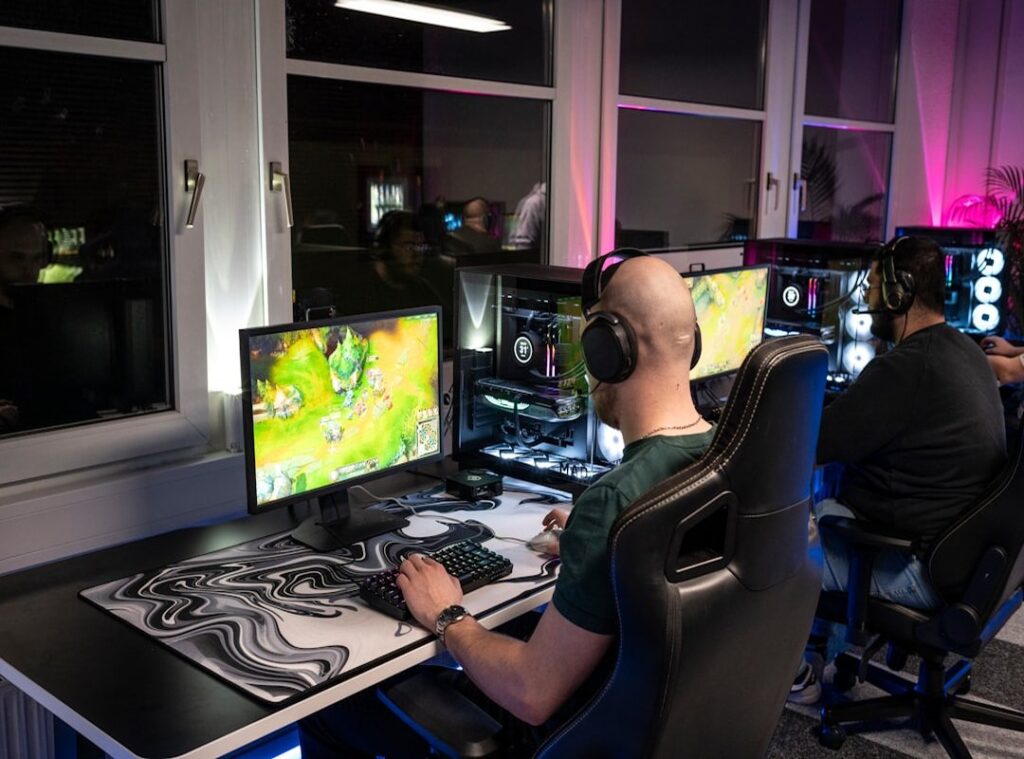
In the world of competitive gaming, milliseconds matter. Seriously. If you’re not rocking the right gear, you’re already behind.
A 240Hz monitor isn’t just nice to have; it’s your ticket to seeing the action unfold in real-time. When every frame counts, those extra hertz mean smoother gameplay and a serious edge over the competition.
Let’s talk mice. A low-latency mouse can be the difference between a headshot and a miss. You’re probably wondering if it’s worth the hype.
It is. The precision and speed of these devices translate directly to your in-game performance. And don’t get me started on mechanical keyboards.
The type of switch you choose? That’s a personal decision, but each offers distinct tactile feedback that can improve keypress accuracy.
But wait, there’s more. Audio is another game-changer. Hearing footsteps before you see your opponent can mean the difference between victory and defeat.
Quality headphones immerse you in the game and provide key sound cues.
Then there’s the importance of an ergonomic chair. Long hours in front of the screen take a toll. A good chair supports your posture, keeping you focused and comfortable.
Ever heard of team houses? These controlled environments provide zero-lag internet and standardized equipment, ensuring fair practice. It’s all about creating the perfect setup to win, no lag allowed.
For more on the economics of esports inside industry, dive deeper into how teams manage these behind-the-scenes esports strategies.
Following the Money: Esports Paychecks Revealed
Ever wondered how esports players make their bank? It’s not just fun and games. There’s real money flying around.
But how exactly? Well, players and teams have several ways to cash in. First up, we have tournament prize money.
This is the flashy stuff you see on headlines, yet it’s not where all the dough comes from.
Then you’ve got team salaries. Depending on your skill level, this can be a steady gig or just pocket change. Academy-level players might make something like $20k to $30k a year.
Meanwhile, top-tier international stars are pulling six-figure salaries, sometimes more. Surprising, right?
Sponsorships are another big slice of the pie. Companies love getting their names on jerseys and streams. You’ve got endemic sponsors (brands already in gaming, like hardware companies) and non-endemic ones too.
Think luxury brands and even automobiles (everyone) wants a piece of this action. Why? Because esports is booming.
Nike, Mercedes, they’re all jumping in.
Then there’s the streaming and content creation angle. Want to see what your favorite players eat for breakfast? They’ll show you (and) make money doing it.
Twitch and YouTube are like gold mines for those who know how to engage their audience.
Let’s not forget about the esports organizations. These aren’t just clubs: they’re full-on businesses. They’re handling branding, merchandise, media rights, and even investor relations.
Ever heard of “behind the scenes esports”? It’s where the magic happens. These orgs are working tirelessly to keep the cash flowing and lights on.
Keep an eye on how they maneuver.
Got a question? They probably have the funds to answer it.
Dive Deeper into Esports Mastery
We’ve peeled back the curtain on behind the scenes esports to reveal the grit and plan that define this world. This isn’t just about flashy plays and highlight reels. It’s about understanding how pros really think and act.
The gap between what fans see and what the pros experience is huge. But we’ve bridged it. Now you see the discipline and business behind every match.
Why does this matter to you? Because knowing the ‘why’ and ‘how’ makes esports more rewarding. It deepens your appreciation, whether you’re playing or just watching.
So, what’s next? You’ve got the insider scoop. Now take it further.
Explore more in-depth strategies and see what separates the top-tier players. Check out our latest team meta analyses and really level up your game. Trust me, this insight will change how you view the game.
Don’t just watch. Understand. Visit hcdesports.com to get started.
 Glenda Josephitto is the kind of writer who genuinely cannot publish something without checking it twice. Maybe three times. They came to hot topics in gaming through years of hands-on work rather than theory, which means the things they writes about — Hot Topics in Gaming, Esports Fundamentals and Strategies, Team Meta Analysis in HCD Arenas, among other areas — are things they has actually tested, questioned, and revised opinions on more than once.
That shows in the work. Glenda's pieces tend to go a level deeper than most. Not in a way that becomes unreadable, but in a way that makes you realize you'd been missing something important. They has a habit of finding the detail that everybody else glosses over and making it the center of the story — which sounds simple, but takes a rare combination of curiosity and patience to pull off consistently. The writing never feels rushed. It feels like someone who sat with the subject long enough to actually understand it.
Outside of specific topics, what Glenda cares about most is whether the reader walks away with something useful. Not impressed. Not entertained. Useful. That's a harder bar to clear than it sounds, and they clears it more often than not — which is why readers tend to remember Glenda's articles long after they've forgotten the headline.
Glenda Josephitto is the kind of writer who genuinely cannot publish something without checking it twice. Maybe three times. They came to hot topics in gaming through years of hands-on work rather than theory, which means the things they writes about — Hot Topics in Gaming, Esports Fundamentals and Strategies, Team Meta Analysis in HCD Arenas, among other areas — are things they has actually tested, questioned, and revised opinions on more than once.
That shows in the work. Glenda's pieces tend to go a level deeper than most. Not in a way that becomes unreadable, but in a way that makes you realize you'd been missing something important. They has a habit of finding the detail that everybody else glosses over and making it the center of the story — which sounds simple, but takes a rare combination of curiosity and patience to pull off consistently. The writing never feels rushed. It feels like someone who sat with the subject long enough to actually understand it.
Outside of specific topics, what Glenda cares about most is whether the reader walks away with something useful. Not impressed. Not entertained. Useful. That's a harder bar to clear than it sounds, and they clears it more often than not — which is why readers tend to remember Glenda's articles long after they've forgotten the headline.