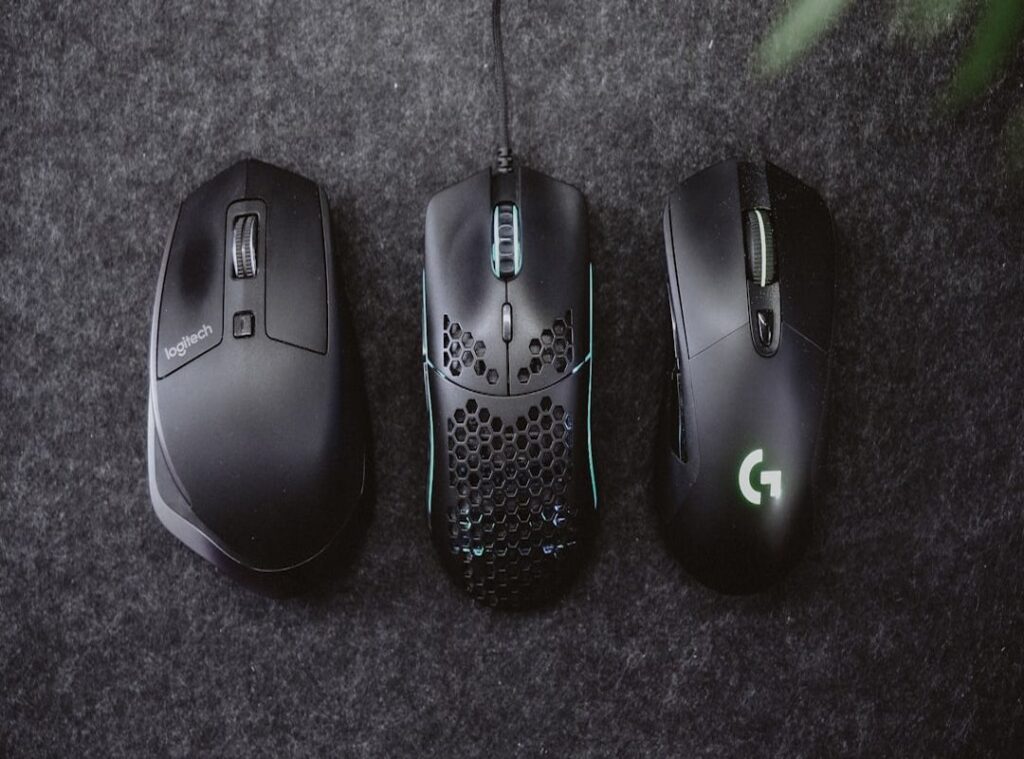

Gaming has never been just about pressing buttons. It’s about immersion, and VR headsets gaming takes that to a whole new level. Ever wondered if VR really changes the game?
It does. You feel it when you’re in the middle of an intense esports match, dodging virtual bullets or scoring goals in a digital arena. But not all headsets are created equal.
Some promise the virtual world but leave you with a headache and a lighter wallet.
we step in. We dig deep into the nitty-gritty of what makes a VR headset worth your time (and money). We chat with gaming pros, test gear in competitive settings, and sift through the marketing fluff to find what’s real.
If you’re after the best gear for your next esports showdown or just want to up your gaming experience, you’ve landed in the right place. Get ready to explore the world of VR gaming like never before.
Standalone or PC VR: The Gamer’s Dilemma
Why do we even need to choose between standalone and PC VR? The short answer: different experiences. A standalone VR headset is like the Meta Quest 3.
It’s all-in-one. No wires, no PC. Just you and the virtual world.
Easy, right? That’s its biggest pro. You’re free to move without tripping over cables.
And let’s face it, who likes cables anyway?
But there’s a catch. Standalones aren’t as solid. They’re great for casual play but buckle under demanding games.
Battery life? Not great. And you’re stuck with their game store.
Yet, they’re perfect if you’re new to VR. Lower cost, no crazy setups.
On the flip side, we have the PC VR headset. Think of the Valve Index. It needs a beast of a PC to run.
The upside? The graphics are stunning. You get access to a massive library of games like those on SteamVR.
But the setup can feel like a chore. And those wires? Annoying (unless you grab a wireless adapter).
So, what’s the first choice for any gamer? If you’re hardcore, aiming for top-notch graphics, PC VR is your go-to. Casual gamers, or those just starting out, might lean toward standalone.
It’s like choosing between a blockbuster movie and a cozy TV series.
And if you’re deep into gaming gear, check out these esports headsets top picks sound clarity. They might just raise your VR experience, whichever path you choose.
VR Gaming Specs: What Really Matters
When diving into VR headsets for gaming, you want to get beyond the price tag. Trust me, everything isn’t just about how much cash you part with. Resolution and screen type are your visual game’s MVP.
A higher resolution means you’ll see a crisper, sharper image (none of that annoying “screen door effect”). Between OLED and LCD? OLED gives you those deep blacks that make horror games pop, while LCD can blast your eyes with brightness.
Let’s talk refresh rates. It’s like comparing a flipbook to a movie. Higher refresh rates (90Hz to 120Hz) make your gaming smoother and save you from headaches or worse, motion sickness.
If you’re into fast-paced action, this is non-negotiable. It’s a game-changer, literally.
Now, field of view (FOV) is your headset’s peripheral vision. A wider FOV makes your VR world immersive. You don’t want to feel like you’re peering through a toilet paper roll, do you?
A good FOV draws you in and keeps you there, lost in the game.
Tracking is a big deal too. Inside-out tracking uses cameras on the headset, which is super convenient. But if you’re a competitive player who needs precision, you might want the external tracking (those base stations are super precise).
Comfort and ergonomics can’t be overstated. Imagine a headset that’s like a brick strapped to your face. No thanks.
A balanced, lighter headset lets you game for hours without feeling like you need a neck brace.
For a deeper dive into gaming specs (beyond just headsets), check out the Ultimate Guide Gaming Monitors. It’s packed with takeaways. Interested in exploring the best VR headsets?
That’s where you’ll find comparisons that matter. These specs are the real deal-makers for VR headsets gaming. Don’t just take my word for it; experience it.
VR Headsets: Gaming on Any Budget
Let’s dive right in. Picking the right VR headset can feel like a treasure hunt, but it doesn’t have to be. I’ve tried a few, and here’s my take on what’s out there.

First up, the Meta Quest 3. This is your all-rounder, the one that covers all bases. It’s standalone, which means you don’t need a PC tether (freedom at last!).
The mixed reality features are a game-changer, blending real and virtual worlds smoothly. More performance than the Quest 2? Absolutely.
It’s like upgrading from a bicycle to a motorcycle. Why do I say it’s the best overall? Simple.
It has a massive game library that’ll keep you entertained for hours.
But is it for everyone? Well, maybe not. If you’re looking for something to hook to your PC and squeeze every bit of power out of it, you might want to consider the Valve Index.
This is for the PC VR enthusiasts, the ones who demand the best tracking and high refresh rates. Those “knuckle” controllers? Genius.
They make interactions feel natural. But (and there’s always a but) it’s pricey. Plus, you need a solid PC.
If you’re not already geared up, that’s another expense to consider.
Now, for those of you with a tighter budget, let’s talk about the Meta Quest 2. This headset is the gateway to virtual worlds without breaking the bank. Even with the Quest 3 on the scene, the Quest 2 still holds its ground in terms of value.
Sure, it lacks some horsepower compared to newer models, but for its price, it’s hard to beat. If you’re just dipping your toes into VR, this is where you start.
If you’re chasing the ultimate visual experience, the Varjo Aero (or similar high-end options) is what you’re after. Think of it as the Ferrari of VR headsets. It’s designed for simulation fans (those) who live for racing and flight sims.
The visual clarity is unmatched, but there’s a catch. It’s expensive, and unless you’re deep into simulations, it might be overkill. Niche, yes, but in the right hands, it’s a beast.
Let’s not forget about console gamers. The PlayStation VR2 is the go-to for PS5 owners. I’ve tried it, and the eye-tracking feature adds a new layer of immersion.
Haptic feedback? Yes, please. But remember, it’s a closed space.
It only works with the PS5, so if you’re not already in that world, it’s a big commitment.
So, what’s the takeaway here? There’s a VR headset for everyone, no matter your budget. Whether you’re looking for standalone convenience, PC-tethered power, or console compatibility, there’s something out there for you.
Just remember to think about what you really need. Do you want to jump right in, or are you looking for the top-tier experience? These are the questions you’re probably asking yourself.
In the end, it’s all about finding what suits your gaming style and pocket. VR headsets gaming can be an incredible experience if you choose the right gear. Trust me, once you find your match, you’ll wonder how you ever gamed without it.
Happy hunting!
Choose Your Adventure, Dive Into VR
Picking the right VR headsets gaming option can feel like navigating a maze. But don’t worry, it’s simpler than it seems. By understanding the difference between standalone and PC VR, and focusing on the specs that matter, you can make a confident choice.
Every decision leads to an incredible gaming world. Whether you go budget-friendly or high-end, excitement awaits. So, why wait?
Dive into your new reality and start exploring today. Which VR headset are you leaning towards? Let us know in the comments!
Your adventure starts with a click. Make it count.
 There is a specific skill involved in explaining something clearly — one that is completely separate from actually knowing the subject. Ryvel Durnhaven has both. They has spent years working with competitive gaming gear reviews in a hands-on capacity, and an equal amount of time figuring out how to translate that experience into writing that people with different backgrounds can actually absorb and use.
Ryvel tends to approach complex subjects — Competitive Gaming Gear Reviews, Team Meta Analysis in HCD Arenas, Hot Topics in Gaming being good examples — by starting with what the reader already knows, then building outward from there rather than dropping them in the deep end. It sounds like a small thing. In practice it makes a significant difference in whether someone finishes the article or abandons it halfway through. They is also good at knowing when to stop — a surprisingly underrated skill. Some writers bury useful information under so many caveats and qualifications that the point disappears. Ryvel knows where the point is and gets there without too many detours.
The practical effect of all this is that people who read Ryvel's work tend to come away actually capable of doing something with it. Not just vaguely informed — actually capable. For a writer working in competitive gaming gear reviews, that is probably the best possible outcome, and it's the standard Ryvel holds they's own work to.
There is a specific skill involved in explaining something clearly — one that is completely separate from actually knowing the subject. Ryvel Durnhaven has both. They has spent years working with competitive gaming gear reviews in a hands-on capacity, and an equal amount of time figuring out how to translate that experience into writing that people with different backgrounds can actually absorb and use.
Ryvel tends to approach complex subjects — Competitive Gaming Gear Reviews, Team Meta Analysis in HCD Arenas, Hot Topics in Gaming being good examples — by starting with what the reader already knows, then building outward from there rather than dropping them in the deep end. It sounds like a small thing. In practice it makes a significant difference in whether someone finishes the article or abandons it halfway through. They is also good at knowing when to stop — a surprisingly underrated skill. Some writers bury useful information under so many caveats and qualifications that the point disappears. Ryvel knows where the point is and gets there without too many detours.
The practical effect of all this is that people who read Ryvel's work tend to come away actually capable of doing something with it. Not just vaguely informed — actually capable. For a writer working in competitive gaming gear reviews, that is probably the best possible outcome, and it's the standard Ryvel holds they's own work to.