
Mechanical skill might win you a duel, but it won’t win you the game. The real difference between good players and dominant teams lies in map control in esports—the ability to command space, restrict enemy movement, and dictate every engagement. Many mechanically gifted players still lose because they react instead of control, leaving themselves exposed to flanks, poor rotations, and lost objectives. This guide breaks down the core principles of owning territory and maneuvering with purpose, distilled from deep analysis of pro-level play across multiple titles. You’ll learn how to stop chasing fights—and start controlling the battlefield.
The Three Pillars of Territory
Pillar 1: Vision Control
Information wins games. In competitive play, vision is the difference between guessing and knowing. Active vision means forcing information—Sova’s Recon Bolt in Valorant or a well-timed drone clearing angles. Passive vision is quieter: holding an angle, listening for footsteps, or placing wards in League of Legends. Both shape map control in esports. Some argue raw mechanics matter more than information, and they’re not entirely wrong—aim can bail you out. But without vision, even perfect aim reacts too late (and nobody likes fighting blind).
Pillar 2: Chokepoint Domination
A chokepoint is a narrow passage that funnels movement. Control it, and you control everything behind it. Think B Tunnels on CS:GO’s Dust II—one smoke and a defender can stall an entire push. I’ll admit, not every map revolves around obvious chokepoints; some metas favor spread defaults. Still, denying a single route often fractures enemy timing and confidence.
Pillar 3: Threat Projection
Sometimes you don’t need to fire. A sniper’s sightline or an ultimate ability creates a zone of control—space enemies fear entering. Whether they’re truly in danger is debatable. But hesitation alone concedes territory (and in tight rounds, that’s everything).
Offensive Maneuvers: How to Take Ground
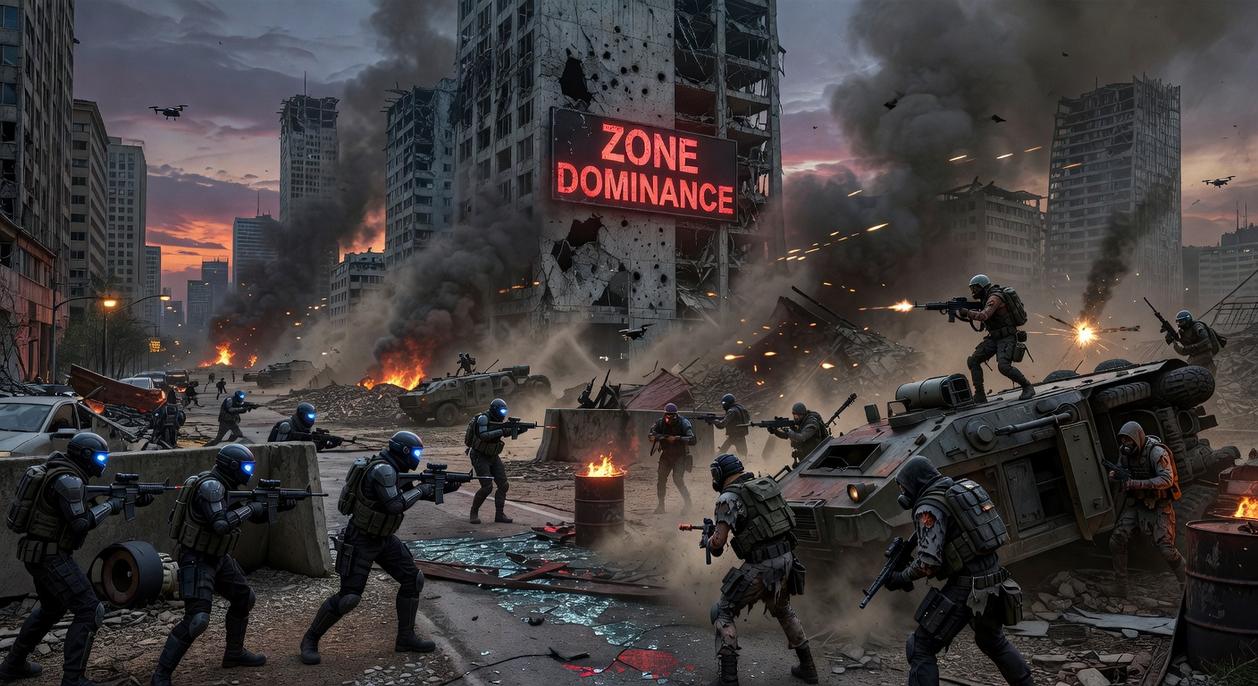
Taking a site isn’t about hero plays. It’s about structure. If your squad isn’t coordinating utility, trading, and entry timing, you’re basically hoping the defenders miss (they won’t).
The Coordinated Push
A successful execute starts with utility. Smokes block sightlines, flashes force defenders off angles, and movement follows immediately. Don’t throw utility “just because.” Throw it with purpose.
Here’s what I recommend:
- Smoke common sniper angles first.
- Flash through the choke, not behind your team.
- Send at least two players through the same entry point.
This enables trading—when one teammate falls, another immediately secures the return kill. Trading turns a 4v5 into a 4v4 instead of a collapse. Pro tip: enter close enough to trade, but not so close you both get sprayed down.
The Pincer Movement (Flanking)
Flanks are high-risk, high-reward. Done poorly, you’re isolated. Done right, you win the round instantly. Timing and sound discipline matter more than aim.
Think Apex Legends: one squad applies frontal pressure while another rotates wide for side angles. The defenders focus forward—then panic when shots hit from behind. Move quietly, wait for engagement to start, then strike.
Creating Space with Utility
Utility isn’t just for damage—it’s for displacement. A well-placed incendiary grenade forces defenders off power positions. A zoning ultimate like Brimstone’s Orbital Strike clears entrenched anchors.
When enemies move, you gain territory. And territory is map control in esports.
Don’t drift in passively. Force movement. Take space. Hold it decisively.
Defensive Tactics: How to Hold Your Ground
Great defense starts with the crossfire setup—positioning two or more defenders so they can cover the same entry point from different angles. In practical terms, this means if an attacker swings a doorway, they’re exposed to fire from the left and right simultaneously. They can’t isolate a 1v1 duel. This layered positioning is a cornerstone of map control in esports because it forces attackers to burn utility or risk instant trades. Think of it like a scene from a heist movie where every exit is covered (and the crew suddenly realizes they picked the wrong building).
However, some argue crossfires are predictable and vulnerable to grenades or flash abilities. That’s true—if you stack carelessly. The benefit comes from spacing, off-angles, and staggered peeks, which reduce the risk of being cleared by a single ability.
Next comes the art of the retake. Losing a site isn’t a failure; it’s a phase. Strong teams save smokes, flashes, or crowd-control tools specifically for coordinated retakes. Regroup, assign roles, then push together—just like an offensive execute. According to competitive match analyses from Riot and Valve events, coordinated retakes significantly increase win probability compared to staggered solo pushes. Pro tip: wait two extra seconds for a teammate before re-engaging.
Finally, embrace calculated retreats. If a position is indefensible, fall back to stronger cover and delay with slowing fields, barriers, or vision denial. The objective isn’t always eliminations—it’s time. Those extra seconds allow rotations, reinforcing defensive structure. For deeper tactical context, review understanding team roles in competitive multiplayer games.
Advanced play starts with information. First, train your eyes on the minimap every few seconds; notice missing enemies, broken sightlines, and utility used. If two opponents show top lane and a smoke blooms mid, predict the rotation before it happens. Listen for audio cues—footsteps, reloads, teleports—because sound often reveals intent. Next, coordinate a fake: send one player with loud utility to pressure A, then quietly shift three toward B. As defenders rotate, seize map control in esports by occupying space they abandoned. Think chess, not checkers (yes, patience wins rounds). Pro tip: record scrims and review rotation timings after matches.
From Theory to Victory: Implementing Your Strategy
You came here to move beyond basic mechanics and finally understand how to control the map with purpose. Now you have the tactical toolkit to turn smart movement, vision, and coordinated pressure into real dominance through map control in esports.
The frustration of feeling lost or constantly outmaneuvered doesn’t have to define your matches anymore. When you proactively take space, lock down chokepoints, and anticipate the enemy’s next move, you shift from reacting to dictating the pace.
Start with one focus—chokepoint control—in your next games. Apply it deliberately. If you’re serious about winning more fights and climbing faster, put these strategies into action today and experience the difference.