
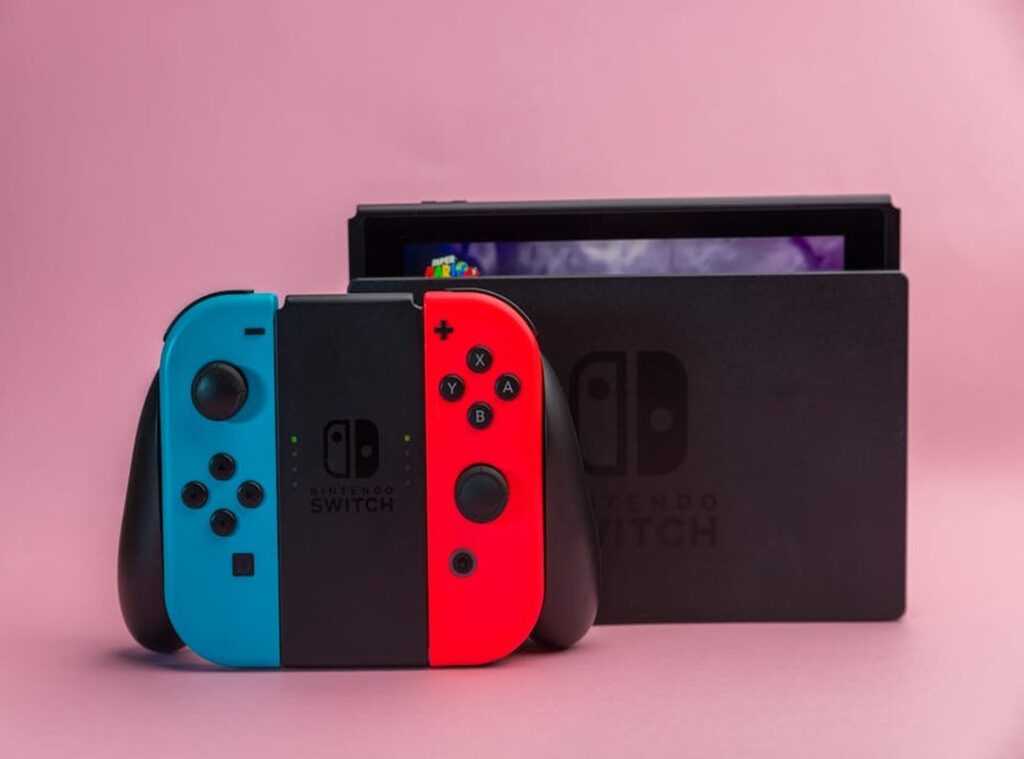
You just picked up the latest shooter for your PlayStation, but your best friend? They’ve got an Xbox. Another pal’s on a PC.
Frustrating, right? This is the mess of trying to game with friends across different platforms. It’s a world I know all too well, with years spent diving into online gaming ecosystems.
So, what’s this cross-platform play gaming thing, and how can it solve your problem?
It’s not just a buzzword. It’s a game-changer (literally). I’ll walk you through how to break down these walls.
You’ll learn what crossplay really is, why it matters, and how to set it up for your games. I promise no fluff, just a straightforward guide to gaming harmony. Ready to connect with friends, wherever they play?
Let’s get started.
Cross-Platform Play: Gaming Without Boundaries
You know the drill. Get a game on Xbox and your friend’s on PlayStation. A decade ago, that meant game over for playing together.
Enter cross-platform play. This magical concept lets folks on different hardware join the same online game. Think of it like being in a group chat with friends who have different phones.
Whether they’re on Android or Apple, you’re all in the same conversation.
That’s the beauty of cross-platform play gaming. It bridges divides.
Not all terms in the gaming world mean the same thing, though. Cross-platform play is just one piece of the puzzle. You’ve got cross-progression too.
What the heck is that? Well, it’s when your game saves, skins, and purchases follow you. Jump from your PC to your Switch and not lose a thing.
It’s like having your favorite playlist synced across your gadgets. Handy, right?
Then there’s cross-generation play. Sounds fancy, doesn’t it? But it’s pretty basic.
It’s all about players on different generations of the same console family gaming together. So, if you’re on a PS5 and your buddy’s holding onto their PS4, you can still team up. It’s almost expected now, unless a game wants to tick people off.
But where does it all fit into the big picture? The impact of AI on modern gaming is changing things up dramatically. As tech evolves, so will our gaming experiences.
Who knows what the future holds? But cross-platform play is here, and it’s a game-changer.
The Good, The Bad, and The Unbalanced: Pros & Cons of Crossplay
to the chaotic world of cross-platform play gaming. It’s like a huge party where everyone’s invited. First, the wins.
Combining all platforms means bigger player pools. When you log on, you won’t be stuck waiting forever to find a match. More players means faster matchmaking.
You get to jump into the action quicker, and who doesn’t want that? Plus, you can play with all your friends. No one gets excluded just because they’re on a different box.
Nowadays, keeping social connections strong is a win.
But let’s not get too excited. There are headaches too. First up, the infamous PC advantage.
We’ve all heard it, right? The mouse and keyboard precision can be a killer in competitive shooters. It’s a real sticking point.
Some games try to level the field with input-based matchmaking, but not all games handle it well.
Then, there’s the problem of platform-specific bugs and updates. A patch might roll out smoothly on PlayStation but could make a mess on Xbox. Temporary instability becomes the name of the game.
It’s frustrating when you just want to play, and suddenly, you can’t.
And don’t forget the balancing act developers face. Ensuring a fair experience across systems with vastly different performance capabilities? Not easy.
Developers are juggling chainsaws while trying to keep everyone happy. It’s a real challenge.
Yet, despite these issues, the benefits of cross-platform play gaming can’t be denied. The ability to connect with anyone, anywhere, is pretty incredible. But, it’s far from perfect.
Crossplay has its perks and pitfalls, and we just have to decide which side tips our personal scale. Are you ready to embrace it, flaws and all?
How to Actually Connect and Play Together: Your Guide
So, you want to dive into cross-platform play gaming? Smart move. It’s a fantastic way to play with friends across different consoles.

But how do you actually get started? First step: confirm the game supports crossplay. Sounds obvious, right?
But you’d be surprised how many people skip this. Head to the game’s official website or its store page on platforms like Steam or the PlayStation Store. You can also check out gaming news sites (the ones that don’t spew nonsense).
Next up, the universal account system. Most crossplay games require you to create a publisher-specific account. Think Epic Games for Fortnite or an Activision ID for Call of Duty.
Why? Because this account acts like a universal passport. It identifies you, no matter where you’re logging in from.
It’s a bit tedious, but key. Without it, you’re stuck in a single-platform bubble.
Now, onto the fun part: adding friends and sending invites. Get into the social menu of your game. Look for your friend’s universal ID.
Not their Gamertag or PSN ID. Send them an invite to join your party. In Fortnite, this is a breeze.
Call of Duty: Warzone? Also pretty straightforward. Just don’t forget to double-check you’re using the right IDs.
You don’t want to invite some random player halfway around the world (unless that’s your thing).
As you dive into this crossplay world, keep an eye on the VR Gaming Future Immersive Play. It’s an exciting direction gaming is heading, blending realities and platforms seamlessly. Just imagine the possibilities.
Now go, connect, and conquer your gaming world.
Behind the Scenes: Why Isn’t Every Game Cross-Platform?
Ever wondered why cross-platform play gaming isn’t universal? It’s not as easy as flipping a switch. First off, let’s talk tech.
Getting PlayStation Network, Xbox Live, Nintendo Switch Online, and PC servers to speak the same language without a security meltdown is tough. And don’t get me started on lag. Nobody wants to shoot an opponent and find out it didn’t register three seconds later.
Companies like to keep their ecosystems insulated unless there’s a heavy benefit (read: $$$).
Then there’s the whole business and policy mess. Historically, console makers were fiercely protective. They didn’t want players mingling with the “enemy.” Yes, that’s shifted a lot, but the corporate agreements and policies can still throw a wrench in the works.
Now, let’s talk about development resources. Making a game cross-platform isn’t cheap. It demands significant time, effort, and money.
Smaller studios, especially, might just not have the bandwidth. They’re busy enough keeping the lights on and feeding the dev team ramen.
So, next time you’re cursing your console for not letting you play with your PC buddies, remember it’s a tangled web of tech, politics, and pennies.
Gaming Without Borders
Finally, you can forget about being stuck in one gaming world. The barriers between you and your friends on different platforms are smaller than ever. All you need is a good grasp of cross-platform play gaming.
Why stick to a single space? It’s outdated. Understand crossplay, use universal accounts, and you’re halfway there.
Check the crossplay status of your go-to multiplayer game tonight. Get your cross-platform squad ready. We know you’re tired of limitations.
So dive in and make gaming more social than ever. Your friends are waiting. Don’t keep them hanging.
Gaming should be fun, not frustrating.
 Glenda Josephitto is the kind of writer who genuinely cannot publish something without checking it twice. Maybe three times. They came to hot topics in gaming through years of hands-on work rather than theory, which means the things they writes about — Hot Topics in Gaming, Esports Fundamentals and Strategies, Team Meta Analysis in HCD Arenas, among other areas — are things they has actually tested, questioned, and revised opinions on more than once.
That shows in the work. Glenda's pieces tend to go a level deeper than most. Not in a way that becomes unreadable, but in a way that makes you realize you'd been missing something important. They has a habit of finding the detail that everybody else glosses over and making it the center of the story — which sounds simple, but takes a rare combination of curiosity and patience to pull off consistently. The writing never feels rushed. It feels like someone who sat with the subject long enough to actually understand it.
Outside of specific topics, what Glenda cares about most is whether the reader walks away with something useful. Not impressed. Not entertained. Useful. That's a harder bar to clear than it sounds, and they clears it more often than not — which is why readers tend to remember Glenda's articles long after they've forgotten the headline.
Glenda Josephitto is the kind of writer who genuinely cannot publish something without checking it twice. Maybe three times. They came to hot topics in gaming through years of hands-on work rather than theory, which means the things they writes about — Hot Topics in Gaming, Esports Fundamentals and Strategies, Team Meta Analysis in HCD Arenas, among other areas — are things they has actually tested, questioned, and revised opinions on more than once.
That shows in the work. Glenda's pieces tend to go a level deeper than most. Not in a way that becomes unreadable, but in a way that makes you realize you'd been missing something important. They has a habit of finding the detail that everybody else glosses over and making it the center of the story — which sounds simple, but takes a rare combination of curiosity and patience to pull off consistently. The writing never feels rushed. It feels like someone who sat with the subject long enough to actually understand it.
Outside of specific topics, what Glenda cares about most is whether the reader walks away with something useful. Not impressed. Not entertained. Useful. That's a harder bar to clear than it sounds, and they clears it more often than not — which is why readers tend to remember Glenda's articles long after they've forgotten the headline.