
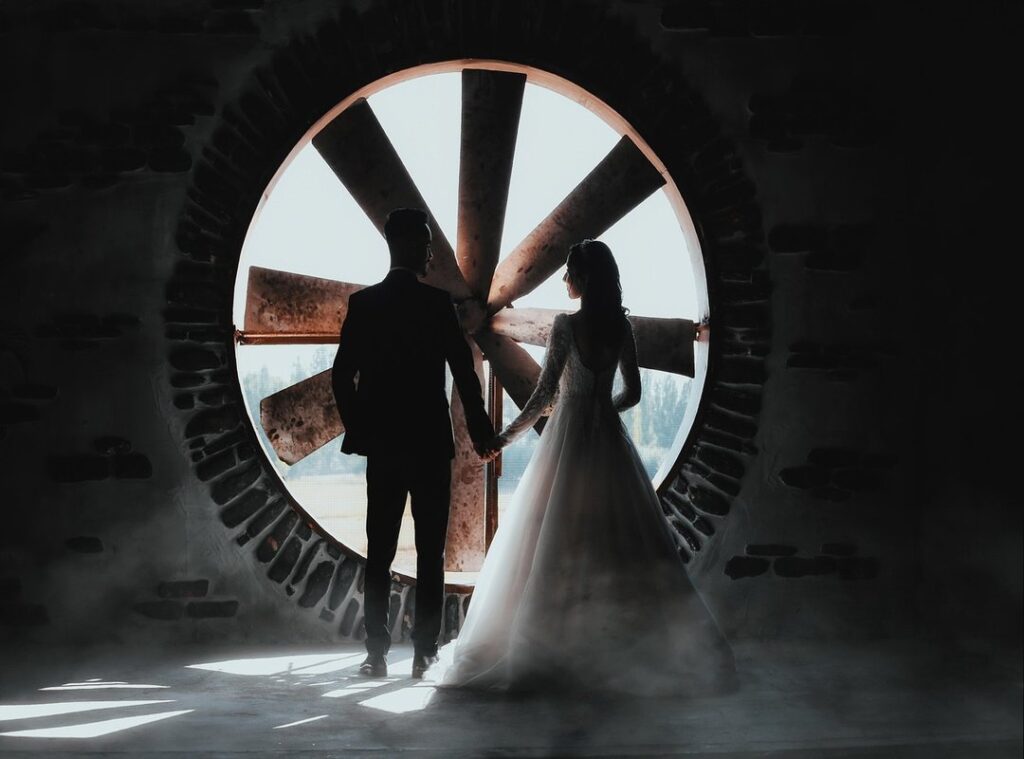
Drawing two figures that look genuinely connected, not just two separate people placed next to each other, can be a real challenge. This article aims to provide a practical guide filled with ideas, tips, and reference concepts for creating natural and dynamic couple pose sketches. Whether you’re a beginner or an experienced artist, I’ll cover a range of ideas, from simple and sweet poses to more complex, action-oriented sketches.
Understanding the fundamentals of interaction and weight is key to making any pose believable. The article will also touch on how to convey emotion and story through posing. Let’s dive in and bring those Base Couple Poses Drawing to life.
The Foundation: Anatomy of a Connected Pose
When you’re drawing a couple, think of them as a single unit. Center of gravity is key. It’s not just about each person; it’s about how they balance together.
Points of contact are where the figures touch—hands, shoulders, hips. These points dictate the pose and make it look natural.
How do you show weight and pressure? A hand resting on a shoulder looks different from a hand gripping it. The grip shows tension, while a light touch suggests tenderness.
Leading lines and flow guide the viewer’s eye through the interaction. Imagine a line that starts at one figure and moves smoothly to the other. This creates a visual connection.
Let’s use a simple example: a basic hug. The torsos press together, and the arms wrap around each other. Notice how the arms fit realistically around the form, not just floating in space.
Base couple poses drawing:
- Torsos touching
- Arms wrapping around each other
- Hands making contact
- Legs positioned for balance
This approach helps you create a more realistic and engaging pose.
Sweet & Simple: Poses for Heartwarming Sketches
Drawing simple, low-action poses can be a great way to capture quiet intimacy and emotion. Perfect for beginners or anyone looking to add a touch of warmth to their artwork.
Pose Idea 1: Holding Hands
This is a classic. You can draw it in different ways—intertwined fingers, loosely held, or one hand leading the other. Each variation tells a different story.
Pro Tip: Focus on the small details like the curve of the fingers and the slight pressure of the grip. These little touches make the pose feel real.
Pose Idea 2: Leaning
Imagine one person’s head resting on the other’s shoulder or lap. This pose emphasizes the slight shift in weight and posture. It’s all about the subtle angles and the comfort of the lean.
It’s a great way to show trust and closeness. The key is to get the body language right, so it looks natural and not forced.
Pose Idea 3: Back-to-Back
This pose can show either comfortable companionship or playful conflict, depending on the expressions and posture.
Pro Tip: Pay attention to the back muscles and the tilt of the heads. These details can change the entire mood of the drawing.
Pose Idea 4: A Gentle Embrace
A simple hug from the side or behind can be incredibly moving. Highlight the placement of hands on the waist, shoulder, or arm.
The focus should be on the small details—the curve of the spine, the tilt of a head. These elements add realism and depth to your sketch.
Base Couple Poses Drawing
Underline the importance of these small details. They can transform a simple sketch into a heartwarming piece of art.
Dynamic & Energetic: Capturing Couples in Motion
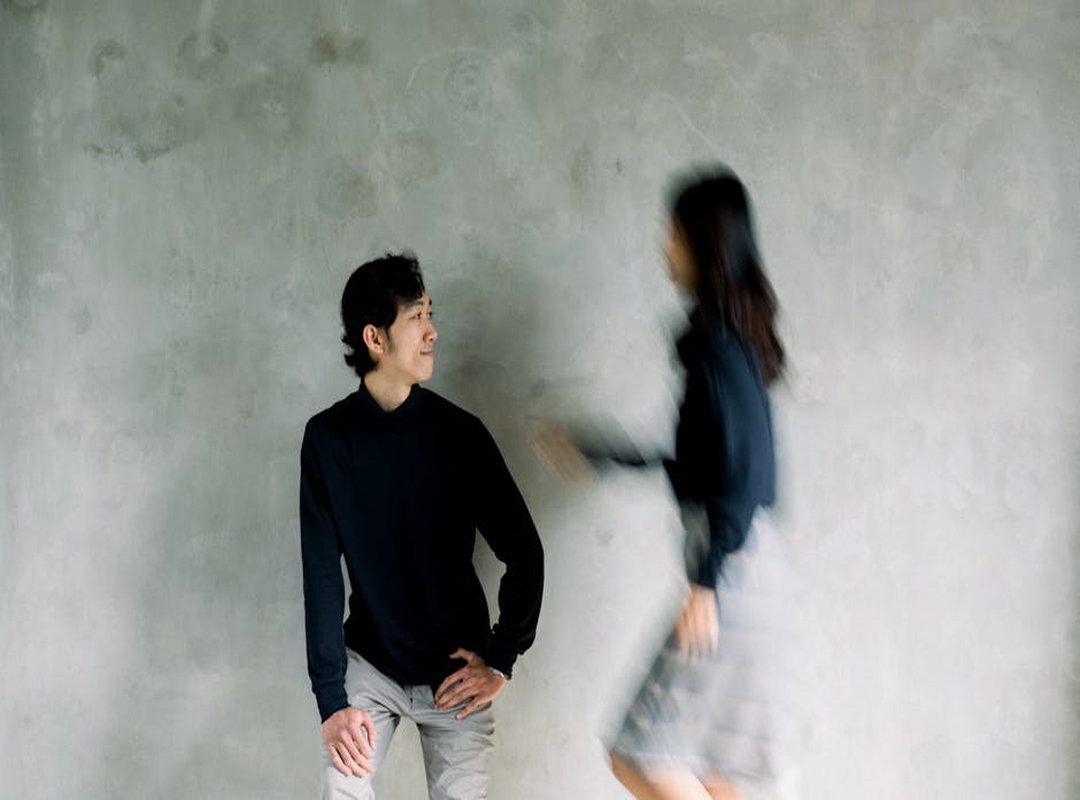
When it comes to drawing couples, why stick to the same old static poses? Let’s get them moving! Here are some dynamic and energetic pose ideas that will make your sketches more engaging.
Pose Idea 1: Dancing. Break down a simple dance pose, like a dip or a twirl. Focus on the lines of action and the distribution of weight.
This will help you capture the fluidity and grace of the movement.
Pose Idea 2: The ‘Piggyback Ride’. To make this look believable, show the strain in the carrier’s posture and the relaxed posture of the rider. It’s all about balance and tension.
Pose Idea 3: Running or Walking Together. Synchronize their gaits so they look like they are moving as a pair, not just two separate running figures. Pay attention to how their bodies align and move in unison.
Pose Idea 4: A Playful Lift. Detail the mechanics of drawing one person lifting the other. Focus on the core engagement and the balance required from both figures.
This pose is all about strength and coordination.
Use GESTURE DRAWING techniques to capture the initial energy of these poses before adding details. Quick, loose sketches can help you nail the overall movement and flow.
CAPS: Remember, the key is to keep it natural and dynamic. Don’t overthink it, and just let the movement guide your hand.
Try these poses out and see how they add life and energy to your drawings. And if you’re into esports, check out the role of analysts and coaches in modern esports teams for some insights on teamwork and strategy.
Sketching the Story: Poses That Convey Emotion
Every pose tells a story. It’s up to you to control that narrative.
Base couple poses drawing:
Think about a simple hug. A loose, gentle embrace can convey comfort and warmth. But a tight, strained one?
That’s desperation or fear.
Body language is key. Closed-off arms, distance between figures, or direct eye contact can completely change the meaning of a sketch.
- Closed-off arms: Defensiveness or discomfort.
- Distance between figures: Tension or unfamiliarity.
- Direct eye contact: Intensity or connection.
Hands are often overlooked but they add a layer of emotional depth. Are they clenched, relaxed, or caressing, and each choice tells a different story.
Pro tip: Consider the ‘before’ and ‘after’ of the moment you’re sketching. This context informs the pose’s emotional weight.
Most people assume that a detailed face is the key to emotion. Not always. Sometimes, it’s the subtle body language that speaks volumes.
Your Next Sketch Starts Now
Starting with the fundamentals of connection, practicing simple poses, and then advancing to dynamic and emotional scenes, you’ve embarked on a creative journey. The key to great couple pose sketches is observing real-life interaction and understanding weight and balance.
base couple poses drawing is the foundation, but it’s your unique touch that brings them to life. Challenge yourself to pick one specific pose idea from the article, like ‘the piggyback ride’ or ‘head on shoulder’, and sketch it in the next 15 minutes.
Practice and experimentation are the best ways to improve. Keep drawing and exploring!
 There is a specific skill involved in explaining something clearly — one that is completely separate from actually knowing the subject. Donna Warrenildos has both. They has spent years working with insider knowledge in a hands-on capacity, and an equal amount of time figuring out how to translate that experience into writing that people with different backgrounds can actually absorb and use.
Donna tends to approach complex subjects — Insider Knowledge, Competitive Gaming Gear Reviews, Pro-Level Gaming Optimization Tips being good examples — by starting with what the reader already knows, then building outward from there rather than dropping them in the deep end. It sounds like a small thing. In practice it makes a significant difference in whether someone finishes the article or abandons it halfway through. They is also good at knowing when to stop — a surprisingly underrated skill. Some writers bury useful information under so many caveats and qualifications that the point disappears. Donna knows where the point is and gets there without too many detours.
The practical effect of all this is that people who read Donna's work tend to come away actually capable of doing something with it. Not just vaguely informed — actually capable. For a writer working in insider knowledge, that is probably the best possible outcome, and it's the standard Donna holds they's own work to.
There is a specific skill involved in explaining something clearly — one that is completely separate from actually knowing the subject. Donna Warrenildos has both. They has spent years working with insider knowledge in a hands-on capacity, and an equal amount of time figuring out how to translate that experience into writing that people with different backgrounds can actually absorb and use.
Donna tends to approach complex subjects — Insider Knowledge, Competitive Gaming Gear Reviews, Pro-Level Gaming Optimization Tips being good examples — by starting with what the reader already knows, then building outward from there rather than dropping them in the deep end. It sounds like a small thing. In practice it makes a significant difference in whether someone finishes the article or abandons it halfway through. They is also good at knowing when to stop — a surprisingly underrated skill. Some writers bury useful information under so many caveats and qualifications that the point disappears. Donna knows where the point is and gets there without too many detours.
The practical effect of all this is that people who read Donna's work tend to come away actually capable of doing something with it. Not just vaguely informed — actually capable. For a writer working in insider knowledge, that is probably the best possible outcome, and it's the standard Donna holds they's own work to.