If you’re searching for a competitive edge, this guide to esports tournament preparation is built to give you exactly that. Whether you’re a rising amateur or a seasoned competitor, preparing for a tournament goes far beyond extra scrims and ranked grind sessions. It requires structured practice, meta awareness, optimized gear setups, team synergy refinement, and a clear mental performance strategy.
This article breaks down the essential systems top players use to prepare effectively—from analyzing current team compositions and patch shifts to fine-tuning in-game roles and communication protocols. You’ll also learn how to approach VOD reviews, warm-up routines, and performance tracking in a way that translates directly into better results on stage.
Our insights are grounded in competitive analysis, high-level gameplay breakdowns, and proven optimization frameworks used across multiple esports titles. The goal is simple: help you prepare smarter, eliminate avoidable mistakes, and enter your next tournament with confidence and a measurable competitive advantage.
From Ranked Warrior to Tournament Champion
Climbing ranked proves mechanical skill. Winning events demands conversion under pressure. The gap is real: ladder play rewards aggression and volume; tournaments punish impatience and predictability.
Many prodigies collapse on stage because they ignore structured esports tournament preparation—mental rehearsal, opponent scouting, and energy management. (Yes, aim still matters. But nerves can nerf anyone.)
Here’s the framework competitors overlook:
- Build a pressure simulation block into scrims—noise, time limits, consequence tracking.
Others focus on aim trainers and meta picks. We focus on decision fatigue, reset rituals, and post-game journaling. Master those, and your peak stops being accidental—it becomes repeatable.
The Mental Game: Forging a Winning Mindset
From intense practice schedules to strategic team meetings, the meticulous preparation of pro teams for major esports tournaments reflects their commitment to excellence, a topic we explore further in our Online Gaming Guide Hcdesports.
Talent gets you noticed. Mindset wins tournaments. The difference often shows up in the quiet moments before a match starts (yes, the sweaty‑palms moment).
Define Your Why
A clear goal acts like a compass. Are you chasing a Top 8 finish, a personal best, or the championship itself? Specific goals reduce decision fatigue and keep practice intentional. Write it down. Revisit it weekly. If your goal is vague, your improvement will be too.
Mastering Composure
Pressure is inevitable in esports tournament preparation. Managing it is trainable:
- Controlled breathing (inhale four seconds, exhale six) to lower heart rate
- Visualization of clutch scenarios before they happen
- Pre-match routines to signal “it’s go time” to your brain
These tools keep your mechanics steady when stakes rise.
Building Unshakable Confidence
Confidence isn’t hype; it’s evidence. Review VODs, identify patterns, and double down on strengths. Deliberate practice—focused repetition with feedback—builds proof you can rely on. When doubt creeps in, remind yourself of documented progress.
The Short Memory Rule
Mistakes happen. The key is a mental reset. After a bad play, take one breath, name the lesson, and move on. Dwelling costs more rounds than the error itself. Reset fast. Compete free.
Strategic Deep Dive: Mastering the Meta and Your Opponents
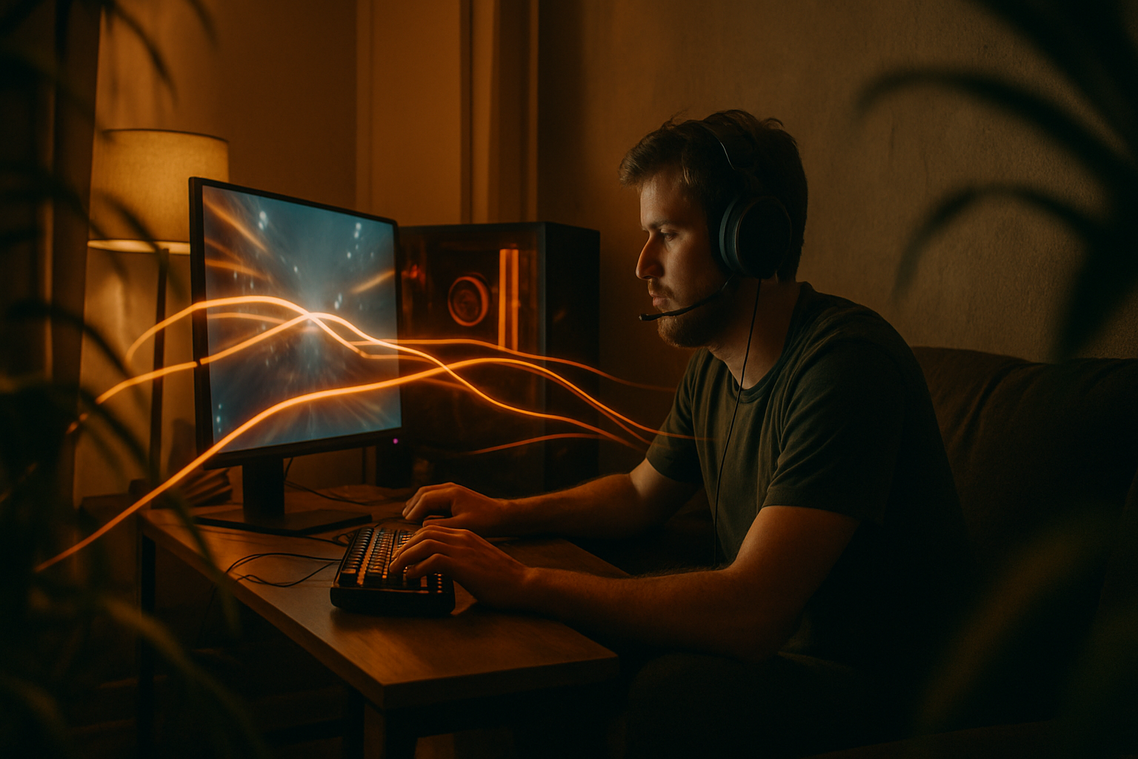
I still remember entering a regional qualifier convinced raw mechanics would carry me. They didn’t. I got out-drafted, out-prepared, and outplayed. That loss taught me a hard truth: talent is loud, but preparation wins quietly.
First, become a student of the game. The meta (short for “most effective tactics available”) shifts constantly. If you’re not studying it, you’re already behind. Watch high-level VODs (video-on-demand replays of competitive matches), track dominant compositions, and note why certain loadouts keep appearing. For example, when a balance patch buffs mobility, you’ll often see faster, dive-heavy comps dominate within weeks (a pattern backed by recurring patch-cycle analyses from major league broadcasts). However, don’t just copy—ask why it works.
Next, develop a playbook. Your Plan A should reflect your strengths. Then build Plan B and Plan C for hard counters or unexpected drafts. During my last esports tournament preparation cycle, we mapped out responses to three common openers. Consequently, when we faced a surprise pick, we adapted instead of panicking (which, trust me, is half the battle).
Some players argue over-preparing makes you rigid. I disagree. Preparation creates freedom. When you’ve theorycrafted—meaning you’ve intentionally designed and tested counter-strategies—you adapt faster under pressure.
Finally, scout the competition. Study tendencies, timing habits, even positioning quirks. Patterns emerge. And once you see them, you can exploit them. In esports, information isn’t just power—it’s leverage.
The Grind: How to Practice with Purpose
Most players think grinding more games automatically means getting better. However, volume without intention is just noise. Quality over quantity means structuring each session around one defined weakness—crosshair placement, map awareness, or a specific matchup. In other words, stop “just playing” and start training with intent (yes, there’s a difference).
To push further, schedule blocks like this:
- 30 minutes of mechanical drills (pure aim or movement work)
- 45 minutes focused on one tactical concept
- 30 minutes reviewing mistakes immediately after play
This mirrors esports tournament preparation far more than endless ranked queues ever will.
That said, some argue scrims are overrated and ranked pressure is enough. The problem? Ranked rarely replicates coordinated team play. The power of scrims lies in controlled intensity. You face opponents who adapt, punish patterns, and communicate—just like in bracket play. Consequently, your decision-making sharpens under realistic stress.
Next, become your own harshest critic. VOD review is non-negotiable. Record everything. Then pause at every death and ask: What information did I miss? What was the safer line? (If it feels uncomfortable, you’re doing it right.) For a deeper look at structured routines, study behind the scenes the daily routine of a professional gamer.
Finally, in team titles, drill until communication becomes automatic:
- Callout shorthand
- Set executes
- Role-specific contingencies
While others grind mindlessly, you’re building repeatable systems. That’s the edge most competitors never develop.
The Final 48 Hours
In my experience, the last two days decide more matches than mechanics ever will. First, optimize your body. Prioritize sleep, especially two nights before; research shows sleep debt impairs reaction time (Walker, 2017). Eat clean, hydrating foods, and skip heavy meals or excessive caffeine.
Next, lock in your gear and settings. Clean peripherals, test cables, and double-check nothing shifted after updates. Small glitches tilt games.
Then, keep it light. A short warm-up keeps you sharp; marathon scrims drain focus. For esports tournament preparation, rest beats grinding. Pro tip: pack backups early. Calm minds win tight finals.
By now, you understand that championships aren’t won under stage lights at the Arlington Expo Center or on the main VALORANT Champions stream—they’re built in scrims, VOD reviews, and patch-note breakdowns. In other words, esports tournament preparation decides who stays composed when the crowd gets loud.
The player who drilled retake protocols and anti-eco setups is steady; meanwhile, the one who just queued ranked is tilting after a single misplay.
This framework shifts you from ladder grinder to true contender. So trust your reps, follow your comp plan, and play one round at a time. Then collect the trophy deserved.
Ready to Elevate Your Competitive Edge
You came here to sharpen your approach to esports tournament preparation, and now you have a clearer roadmap—from mastering fundamentals and refining team meta strategy to optimizing your gear and in-game decision-making.
The reality is this: most teams don’t lose because of mechanics alone. They lose because their preparation is inconsistent, their strategy is outdated, or their setup isn’t fully optimized. That gap between “good” and “championship-ready” is where tournaments are won or lost.
Now it’s your move.
Start implementing these preparation frameworks in your next scrim block. Review your team comps, audit your gear, and pressure-test your strategies under tournament-like conditions. Don’t just practice—practice with purpose.
If you’re serious about climbing brackets and outperforming the competition, dive deeper into our pro-level guides and advanced meta breakdowns. We’re one of the fastest-growing competitive gaming resources trusted by serious players who want real results—not recycled advice.
Level up your preparation. Study smarter. Compete sharper. And step into your next tournament ready to dominate.
 Glenda Josephitto is the kind of writer who genuinely cannot publish something without checking it twice. Maybe three times. They came to hot topics in gaming through years of hands-on work rather than theory, which means the things they writes about — Hot Topics in Gaming, Esports Fundamentals and Strategies, Team Meta Analysis in HCD Arenas, among other areas — are things they has actually tested, questioned, and revised opinions on more than once.
That shows in the work. Glenda's pieces tend to go a level deeper than most. Not in a way that becomes unreadable, but in a way that makes you realize you'd been missing something important. They has a habit of finding the detail that everybody else glosses over and making it the center of the story — which sounds simple, but takes a rare combination of curiosity and patience to pull off consistently. The writing never feels rushed. It feels like someone who sat with the subject long enough to actually understand it.
Outside of specific topics, what Glenda cares about most is whether the reader walks away with something useful. Not impressed. Not entertained. Useful. That's a harder bar to clear than it sounds, and they clears it more often than not — which is why readers tend to remember Glenda's articles long after they've forgotten the headline.
Glenda Josephitto is the kind of writer who genuinely cannot publish something without checking it twice. Maybe three times. They came to hot topics in gaming through years of hands-on work rather than theory, which means the things they writes about — Hot Topics in Gaming, Esports Fundamentals and Strategies, Team Meta Analysis in HCD Arenas, among other areas — are things they has actually tested, questioned, and revised opinions on more than once.
That shows in the work. Glenda's pieces tend to go a level deeper than most. Not in a way that becomes unreadable, but in a way that makes you realize you'd been missing something important. They has a habit of finding the detail that everybody else glosses over and making it the center of the story — which sounds simple, but takes a rare combination of curiosity and patience to pull off consistently. The writing never feels rushed. It feels like someone who sat with the subject long enough to actually understand it.
Outside of specific topics, what Glenda cares about most is whether the reader walks away with something useful. Not impressed. Not entertained. Useful. That's a harder bar to clear than it sounds, and they clears it more often than not — which is why readers tend to remember Glenda's articles long after they've forgotten the headline.