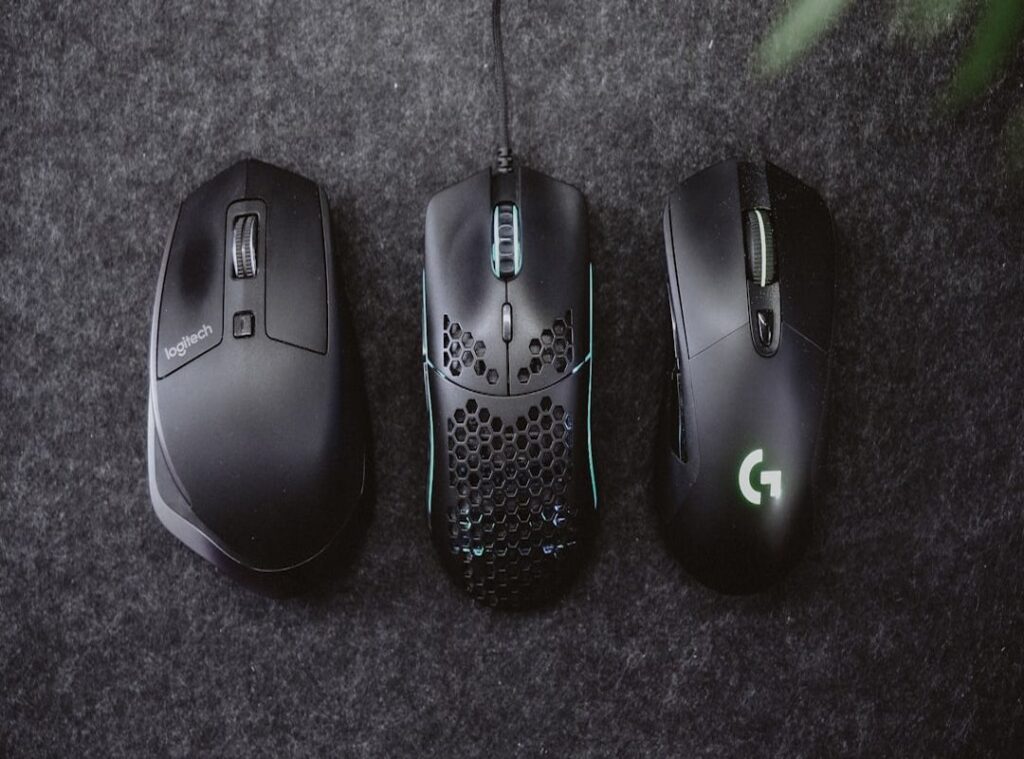

Esports isn’t just about fast reflexes and highlight plays—it’s about mastering fundamentals, understanding the meta, and optimizing every detail of your setup. If you’re here, you’re likely looking to sharpen your competitive edge, whether that means refining your in-game decision-making, choosing the right gear, or adapting to evolving team strategies. This article is built to give you exactly that: practical, up-to-date insights that translate directly into better performance.
We break down complex mechanics into actionable strategies, analyze current team metas shaping competitive play, and evaluate gear based on real in-game impact—not hype. Our guidance is grounded in hands-on testing, deep strategic review, and close observation of pro-level trends and gaming community influence that shape how titles evolve.
By the end, you’ll have clear, focused takeaways you can apply immediately—so you’re not just playing more, you’re playing smarter.
From modders fixing broken launches to esports pros redefining metas, players no longer sit quietly on the sidelines. Instead, they dissect patch notes, stress-test balance, and mobilize feedback loops that shape roadmaps. While some publishers still cling to top-down control, the data tells another story: sales spikes, review bombs, and Twitch-driven surges map to gaming community influence. Consider how balance hotfixes now arrive within days, not quarters, because competitive discourse surfaces exploits instantly. Moreover, modding ecosystems extend lifecycles, turning one-off releases into living platforms. The unique edge? Players supply telemetry no focus group can replicate. Ignore it and titles fade.
The Feedback Loop: Community-Driven Development in Action
Modern multiplayer titles aren’t built behind closed doors anymore. Early Access and open betas have turned development into a live collaboration. Steam Early Access, launched in 2013, formalized this model, letting studios fund, test, and refine games alongside players. Baldur’s Gate 3 spent years in Early Access, with Larian Studios adjusting combat pacing and UI clarity based directly on forum feedback. Valheim followed a similar path, tuning stamina systems and enemy difficulty after thousands of player reports. The benefit is clear: developers reduce launch risk while players help shape a game they already care about.
Competitive games push this even further through data-driven balancing. Titles like League of Legends and Valorant collect millions of match data points daily—tracking win rates, pick rates, damage output, and map control trends. Developers combine that telemetry with Reddit threads, Discord debates, and creator breakdowns to guide patch notes. When a champion’s win rate spikes above acceptable thresholds, balance adjustments follow. This fusion of hard data and community sentiment ensures meta shifts feel responsive rather than arbitrary (no one enjoys losing to an overpowered pick for months).
Players also act as a massive, distributed QA department:
- Identifying obscure bugs
- Exposing exploits
- Stress-testing servers at launch scale
No internal team can replicate that volume. This level of gaming community influence accelerates fixes and stabilizes competitive ecosystems. Some argue it gives players too much sway, risking design by committee. Yet structured feedback systems filter noise from signal—delivering smarter updates and longer-lasting games.
Marketing Beyond the Publisher: The Creator Economy’s Influence
Streamers and YouTubers as Kingmakers
In this dynamic landscape, where feedback from gaming communities can shape the course of patch notes and updates, it’s interesting to see how developer responses like those in the recently launched ‘Etsjavaapp New Version‘ reflect the evolving desires of players.
A decade ago, blockbuster ads and trade show trailers dictated a game’s success. Today? A single viral stream can do more than a million-dollar campaign. Among Us and Phasmophobia didn’t explode because of flashy publisher rollouts. They surged because popular creators played them live, unscripted, and in front of millions. Viewers watched genuine reactions—panic, laughter, clutch plays—and thought, “I want in.”
This shift reflects growing gaming community influence, where discovery happens on Twitch, YouTube, and Discord instead of TV commercials. If you’re wondering whether traditional marketing still matters, it does—but it’s no longer the main character (think of it as the NPC with a side quest).
The Primacy of Authentic Endorsement
Modern players trust creators because they feel like peers, not billboards. A polished ad tells you what to think. A streamer shows you what actually happens when things break, glitch, or surprise. That transparency builds credibility. Research from Nielsen shows 92% of consumers trust recommendations from individuals over brands (Nielsen, 2021).
Skeptics argue creators are just paid promoters. Sometimes that’s true. But audiences are quick to detect forced enthusiasm. Authenticity—or the perception of it—remains the currency.
Fostering a Symbiotic Ecosystem
Developers now court creators with early access keys, custom skins, and direct feedback channels. This isn’t charity; it’s strategy. Early exposure seeds communities before launch day.
Pro tip: Offer creators exclusive in-game moments they can’t get elsewhere. Scarcity fuels engagement.
For deeper context on evolving promotional dynamics, explore top gaming industry trends shaping competitive play in 2026.
The bottom line? In today’s market, creators aren’t side characters—they’re co-op partners in a game’s success.
When the Community Rebels: The High Cost of Ignoring Players

Studios often claim backlash is just “noise.” That’s a dangerous myth. When Star Wars Battlefront II launched in 2017, its progression system locked core heroes behind grind-heavy paywalls tied to loot boxes (randomized in-game rewards purchased with real money). Players called it predatory monetization—design that pressures spending through artificial friction. EA initially defended the system. Then the revolt hit.
The infamous Reddit comment defending loot boxes became one of the most downvoted posts in platform history (a digital scarlet letter). Sales projections dipped, and Disney reportedly intervened (BBC, 2017). The economy was overhauled.
Some argue outrage culture is overblown—that gamers complain about everything. But the “review bomb” proves otherwise. Coordinated waves of negative reviews on Steam and Metacritic directly shape public perception and purchasing behavior. It’s messy, yes, but it’s also market feedback in real time. See Valve’s own discussion on review policy updates: https://store.steampowered.com/news/app/593110/view/2074411495515541375.
Consider the longer arc:
- Anthem lost momentum within months.
- Battlefield 2042 struggled to recover from launch missteps.
Lost trust compounds. gaming community influence doesn’t just dent quarterly revenue—it can shorten a game’s lifespan and shadow future releases. Ignore players, and they won’t just leave. They’ll make sure everyone else does too.
Forging Longevity: Esports and Sustained Engagement
Esports as an Engine for Engagement
A thriving esports scene can keep a title alive long after its launch window closes. Counter-Strike and Dota 2 didn’t just survive—they evolved into cultural fixtures because elite competition gave players something to chase. That aspirational ladder, from ranked matchmaking to stadium finals, fuels constant discussion, strategy breakdowns, and meta debates. I’ll admit, it’s hard to measure exactly how much longevity comes purely from esports versus smart live-service updates. But when prize pools swell and viewership spikes, relevance tends to follow (and so does Twitch chat chaos).
From Grassroots to Global Stage
What often gets overlooked is the messy, passionate beginning. Community LANs, amateur brackets, and Discord-organized leagues form the bedrock of sustainable ecosystems. Without grassroots buy-in, publisher-backed leagues can feel manufactured. The real test is whether gaming community influence continues shaping formats, rules, and event culture as the scene scales.
Pro-Level Play Driving Innovation
Top-tier competitors stress-test mechanics in ways casual players simply can’t. Their demand for tighter balance, clearer spectator tools, and deeper systems often improves the experience for everyone. That said, there’s ongoing debate about over-balancing for pros. Does catering to the top 0.1% alienate the rest? The answer isn’t always clear—but thoughtful iteration usually wins.
The player-centric future of game design is already here. Instead of broadcasting updates into the void, studios now build in public, gather feedback, and iterate alongside their communities. As a result, players gain better-balanced mechanics, faster patches, and features they want. For developers, the payoff is as powerful: stronger retention, organic marketing, and long-term loyalty. Some argue that too much gaming community influence dilutes creative vision, yet collaboration rarely means surrendering control. Rather, it sharpens ideas through testing. Moreover, when players feel heard, they invest time, money, and advocacy. Ultimately, treating players as partners creates better games and sustainable success.
Level Up Your Competitive Edge
You came here to sharpen your edge, understand the evolving meta, and make smarter decisions about your gameplay and gear. Now you have the clarity to adapt faster, optimize smarter, and compete with confidence in an environment where small advantages decide everything.
In esports, falling behind the meta or using suboptimal setups isn’t just frustrating — it costs you wins, rankings, and momentum. The gap between average and elite often comes down to informed adjustments and consistent optimization.
Apply what you’ve learned. Refine your mechanics, reassess your loadouts, analyze your team comps, and stay aligned with the shifts driving the gaming community influence that shapes competitive play.
If you’re serious about climbing ranks and dominating your bracket, don’t stop here. Dive deeper into advanced guides, gear breakdowns, and pro-level strategy analysis trusted by thousands of competitive players. We’re a top-rated resource for serious gamers who want real results.
Your next move is simple: explore the latest strategy insights now and start turning knowledge into wins.
 There is a specific skill involved in explaining something clearly — one that is completely separate from actually knowing the subject. Donna Warrenildos has both. They has spent years working with insider knowledge in a hands-on capacity, and an equal amount of time figuring out how to translate that experience into writing that people with different backgrounds can actually absorb and use.
Donna tends to approach complex subjects — Insider Knowledge, Competitive Gaming Gear Reviews, Pro-Level Gaming Optimization Tips being good examples — by starting with what the reader already knows, then building outward from there rather than dropping them in the deep end. It sounds like a small thing. In practice it makes a significant difference in whether someone finishes the article or abandons it halfway through. They is also good at knowing when to stop — a surprisingly underrated skill. Some writers bury useful information under so many caveats and qualifications that the point disappears. Donna knows where the point is and gets there without too many detours.
The practical effect of all this is that people who read Donna's work tend to come away actually capable of doing something with it. Not just vaguely informed — actually capable. For a writer working in insider knowledge, that is probably the best possible outcome, and it's the standard Donna holds they's own work to.
There is a specific skill involved in explaining something clearly — one that is completely separate from actually knowing the subject. Donna Warrenildos has both. They has spent years working with insider knowledge in a hands-on capacity, and an equal amount of time figuring out how to translate that experience into writing that people with different backgrounds can actually absorb and use.
Donna tends to approach complex subjects — Insider Knowledge, Competitive Gaming Gear Reviews, Pro-Level Gaming Optimization Tips being good examples — by starting with what the reader already knows, then building outward from there rather than dropping them in the deep end. It sounds like a small thing. In practice it makes a significant difference in whether someone finishes the article or abandons it halfway through. They is also good at knowing when to stop — a surprisingly underrated skill. Some writers bury useful information under so many caveats and qualifications that the point disappears. Donna knows where the point is and gets there without too many detours.
The practical effect of all this is that people who read Donna's work tend to come away actually capable of doing something with it. Not just vaguely informed — actually capable. For a writer working in insider knowledge, that is probably the best possible outcome, and it's the standard Donna holds they's own work to.